
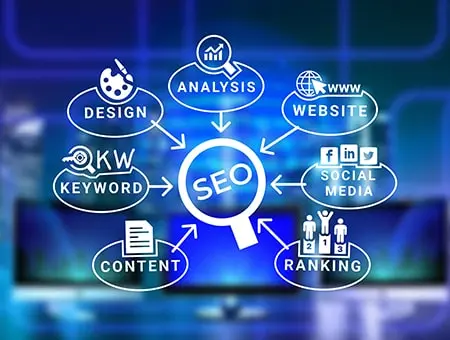
Google’s algorithm in 2026 is no longer just a ranking system it’s an AI-driven evaluation engine designed to understand content the way humans do. This shift has fundamentally changed how SEO strategies are built. Instead of focusing on keywords alone, businesses now need to optimize for intent, experience, trust, and topical depth.
One of the biggest influences comes from E-E-A-T. Google evaluates whether your content is created by someone with real experience, whether your website demonstrates authority in a niche, and whether users can trust your information. This means generic, surface-level blogs are no longer enough content must be insightful, original, and backed by real expertise.
Another major factor is Google’s AI systems like Google RankBrain and Google BERT, which help interpret search queries in a conversational and contextual way. These systems understand why a user is searching, not just what they type. As a result, SEO strategies must align with search intent categories informational, navigational, transactional, and commercial. Content should directly answer user queries while guiding them through the decision-making journey.
In 2026, topical authority plays a bigger role than ever. Google prefers websites that cover a subject comprehensively rather than those targeting isolated keywords. This means creating content clusters, where a main pillar page is supported by multiple related articles, all internally linked. This structure signals expertise and improves crawlability, making it easier for Google to rank your site higher across multiple keywords.
User experience has also become a direct ranking factor through metrics like Core Web Vitals. These include loading speed, interactivity, and visual stability. A slow or poorly designed website can significantly hurt rankings, even if the content is strong. Mobile-first indexing, clean UI/UX, and fast-loading pages are now non-negotiable for SEO success.
Another important shift is the rise of zero-click searches and featured snippets. Google often answers queries directly on the search results page, reducing the need for users to click on websites. To adapt, businesses must optimize content for structured data, FAQs, and snippet-friendly formats. This includes using clear headings, bullet points, and concise answers that Google can easily extract.
Content quality is now judged by depth and usefulness, not length alone. Thin content, keyword stuffing, and outdated information are quickly penalized. Instead, Google rewards content that demonstrates real-world experience, updated insights, and strong engagement signals like longer dwell time and lower bounce rates. Regularly updating content has become a key strategy to maintain rankings.
Backlinks still matter, but the focus has shifted to relevance and authority. A few high-quality backlinks from trusted websites are far more valuable than dozens of low-quality ones. Google’s algorithm can now detect unnatural link patterns, making ethical link-building strategies essential.
Finally, AI-generated content has become widespread, but Google prioritizes human value over automation. While AI can assist in content creation, businesses must ensure their content includes unique perspectives, brand voice, and authentic insights to stand out.